

【Free】 What is MJ?


One of Japan’s Most Enduring Audio Magazines
Hi. In this article, we’d like to introduce MJ, one of Japan’s most enduring audio magazines.
Founded in 1924, MJ is among the oldest audio publications in Japan. At its core lies a spirit of experimentation and a deep curiosity about audio technology.
Even after a century of publishing, MJ continues to explore the same fundamental question: How can we reproduce sound better?
At the heart of that pursuit is not just electronics—it’s a desire to deliver music through technology, to give shape to human sensitivity through engineering.


The Culture of DIY Audio
One of MJ’s defining features is its strong focus on DIY audio. But this isn’t about nostalgia—it’s a cultural practice that connects technology with personal expression.
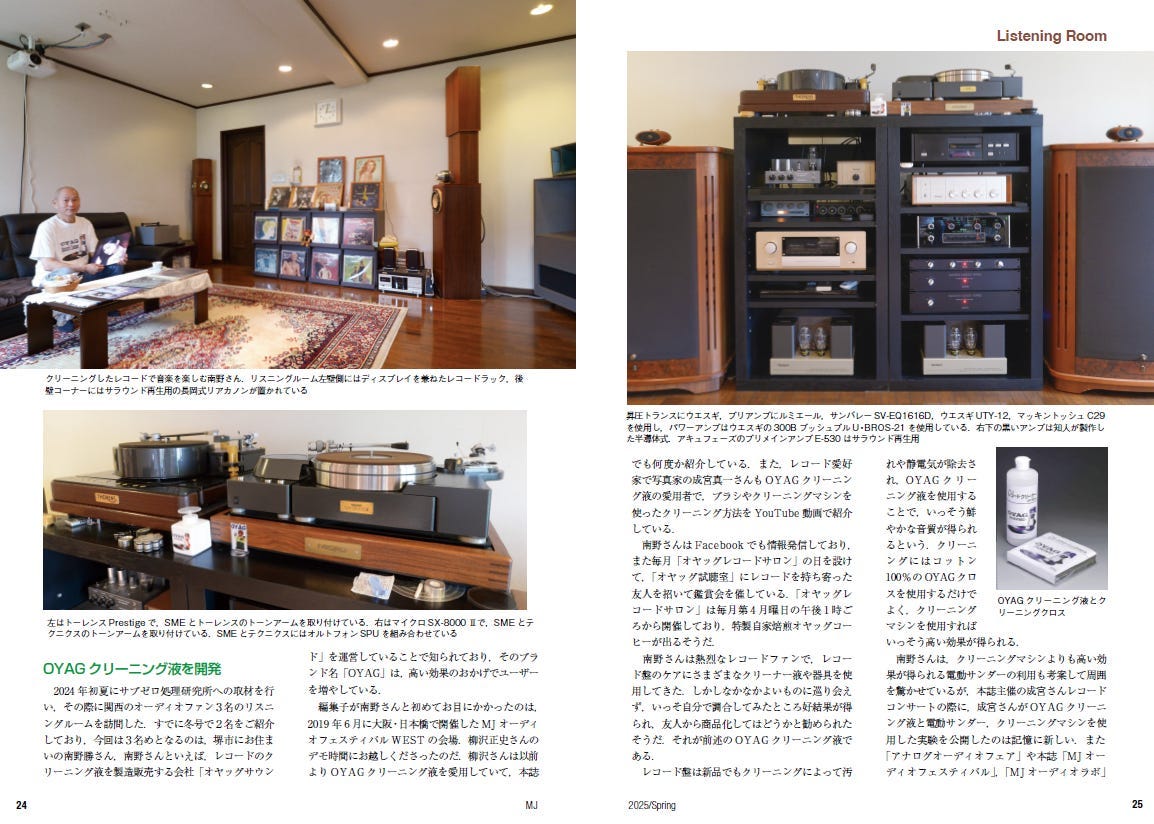
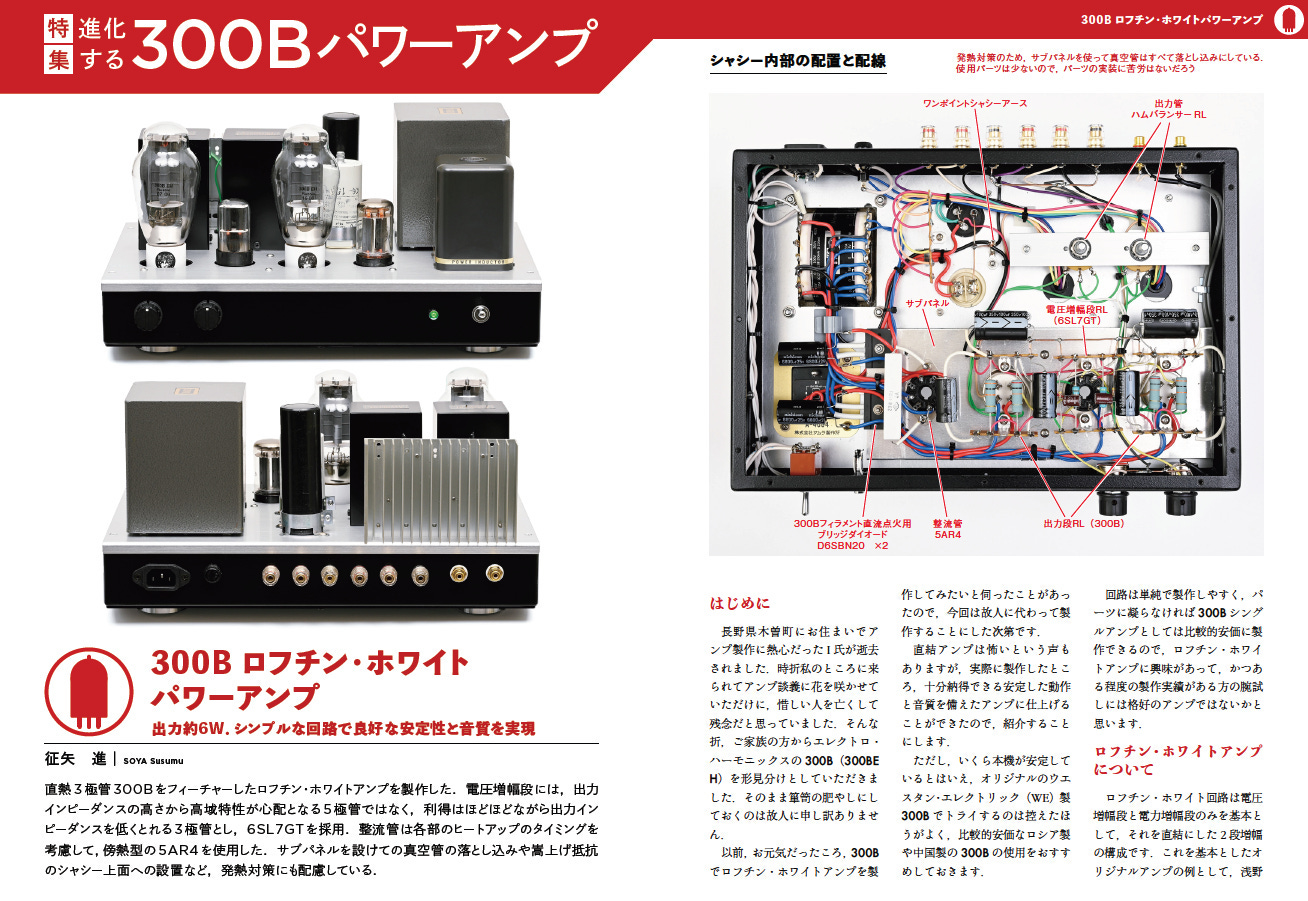
Building your own amplifier, for example, involves selecting vacuum tubes or semiconductors, designing the chassis, countering noise, and verifying results with measuring equipment. Every one of these steps reflects the builder’s philosophy and aesthetic sensibility.
Audio today intersects with many cultural domains:
Acoustic design that harmonizes with architecture and interior spaces
Speaker designs blending craft and technology
Listening as part of a rich, music-centered lifestyle
A renewed focus on the physical and emotional act of “listening” itself
In other words, audio is not just about electronic devices—it’s a space where life, art, and engineering meet.
Why Publish in English Now?
MJ has long been a Japanese-language print publication. But recently, we’ve seen growing interest from audio enthusiasts outside Japan.
To share our content more widely, we’ve begun publishing in English here on Substack. We believe that audio technology is a shared global culture—one that transcends borders.
Analog and digital, space and sound, engineering and art—MJ exists at the intersection of these worlds. And we believe that’s exactly where the value of our work lies.
What MJ Wants to Share
What we aim to deliver is not a perfectly finished sound—but the intellectual and creative process of making sound.
A single circuit diagram can hold a designer’s philosophy and countless experiments. Every decision around noise reduction or component layout is the result of experience, logic, and aesthetic choices. By analyzing those decisions—and by building with your own hands—you deepen your understanding of sound.
MJ wants to continue this exploration with readers who are passionate about both the technology and culture of audio.
In Closing
For nearly a century, MJ has been asking a deceptively simple question: What is sound?
And we’ll continue to pursue this question as technology evolves and as the relationship between humans and sound continues to shift.
Audio engineering is a form of applied sensitivity—a tool for shaping culture through technology. We hope MJ will serve as a platform where readers around the world can share, reflect on, and shape the future of audio together.
Nice !